

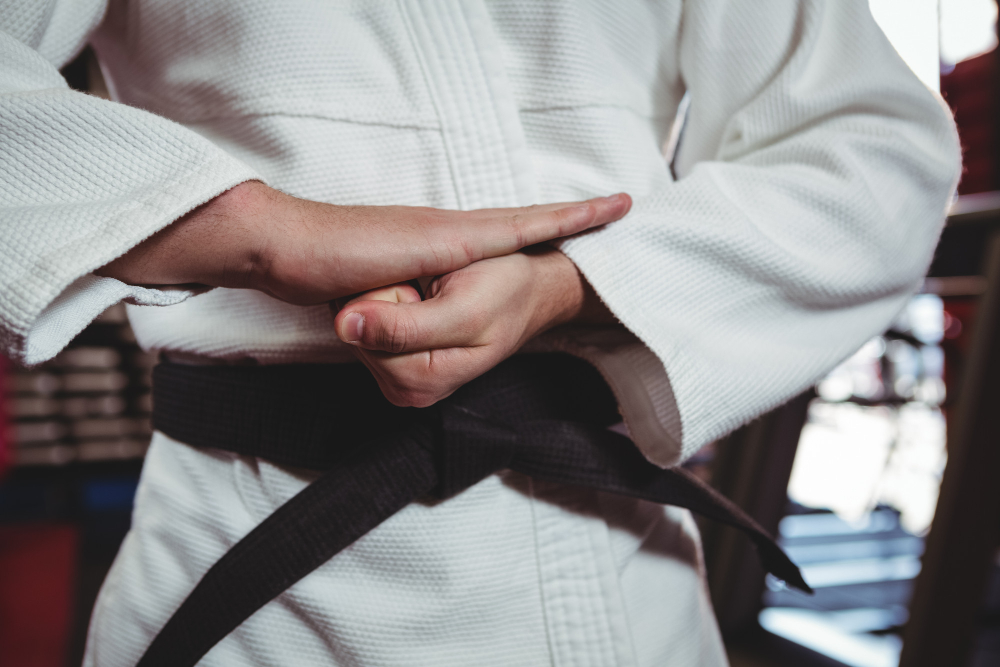
Like many others who’ve watched one too many action movies or motivational montages, I found myself wondering, what if I tried martial arts? Not just for fitness, but to build confidence, coordination, and maybe even some useful self-defense skills. So I signed up for a week of trial classes across different martial arts disciplines in Singapore.
What followed was a whirlwind of sweat, sore muscles, and unexpected revelations. Whether you're curious or considering your first class, here's a breakdown of the experience, and which style might suit you best.
Day 1: Muay Thai — The Art of Eight Limbs (and Even More Sweat)
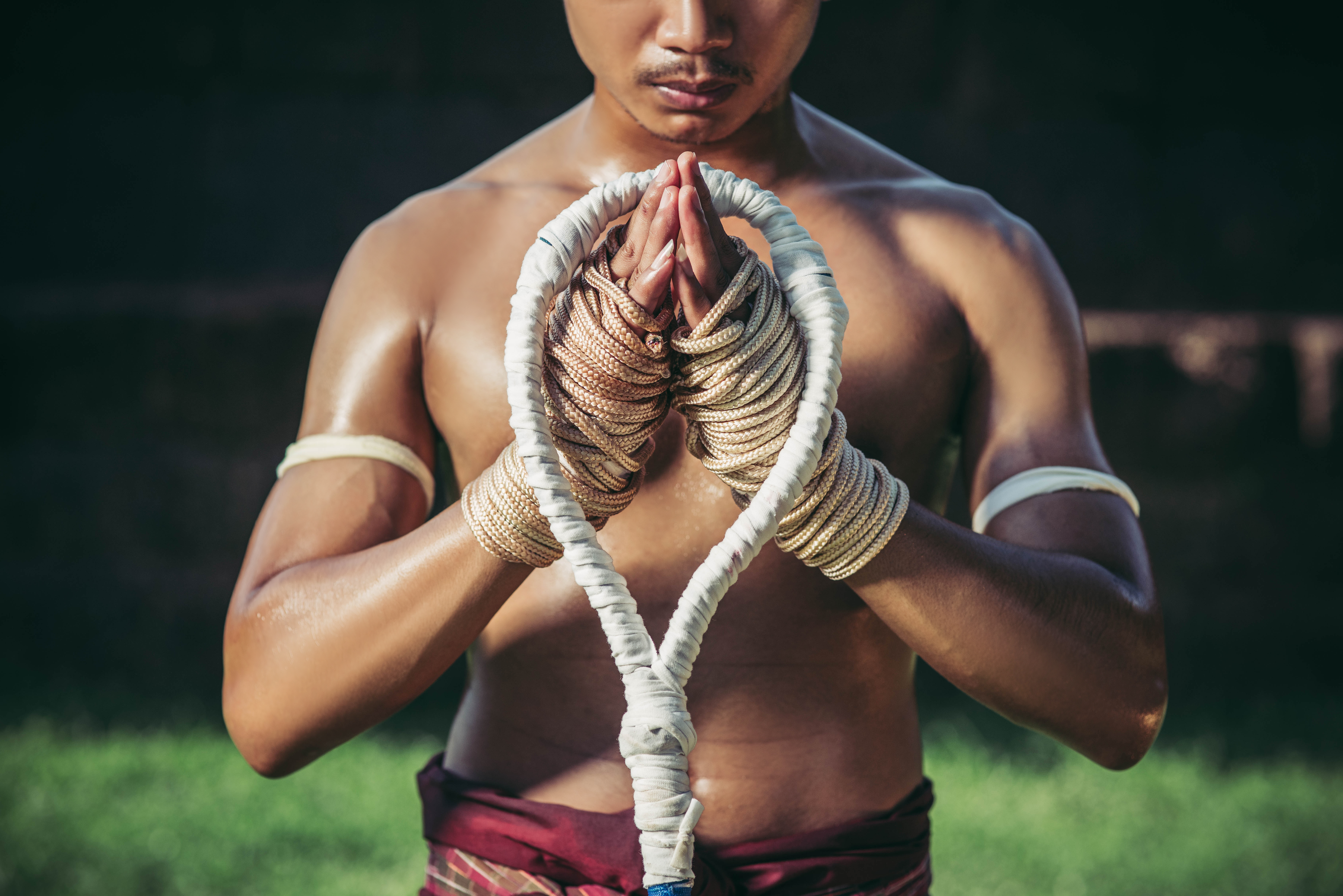
My journey began with Muay Thai — a striking art from Thailand known for using fists, elbows, knees, and shins. The class was intense from the start. After a short warm-up, we were learning basic combos and practicing kicks on heavy bags.
It was a physically demanding but incredibly cathartic experience. There's something very satisfying about channeling your energy into a powerful strike — especially after a long day at work.
Best for: High-intensity cardio lovers, stress relief, and those who enjoy learning structured techniques in a dynamic setting.
Day 2: Aikido — Gentle Movements, Powerful Philosophy

The next session was Aikido — a Japanese martial art centered on harmony, redirection of force, and non-resistance. Unlike Muay Thai, Aikido emphasizes fluid movements and falls. It’s about using an opponent’s energy against them, rather than attacking directly.
While it might not deliver the same adrenaline rush, Aikido challenges your balance, awareness, and coordination in a deeply calming way.
Best for: Those seeking a low-impact martial art that focuses on technique, discipline, and mindfulness.
Day 3: Brazilian Jiu-Jitsu — Strategy Over Strength

Brazilian Jiu-Jitsu (BJJ) was a completely different experience. Often called "human chess," it’s a grappling-based martial art focused on leverage, control, and submissions. Expect to spend a lot of time on the mat — learning how to gain dominant positions and escape tricky ones.
It’s mentally demanding and physically intimate, but also incredibly empowering. Even as a beginner, you’ll quickly see how skill can outweigh size or strength.
Best for: Analytical thinkers, grappling enthusiasts, and anyone interested in realistic, ground-based self-defense.
Day 4: Krav Maga — Real-World Self-Defense, No Frills

Krav Maga, developed for the Israeli Defense Forces, is all about efficiency and survival. This class introduced us to practical techniques for dealing with real-life threats — including how to react to chokes, holds, or even knife threats.
It wasn’t glamorous, but it was empowering. The focus on real-world scenarios made it one of the most practical martial arts for personal safety.
Best for: Individuals seeking effective, real-life self-defense training without the competitive or artistic elements of traditional martial arts.
Final Thoughts
Trying martial arts in Singapore turned out to be one of the most rewarding things I’ve done all year. Each discipline offered its own unique strengths — from the high-intensity bursts of Muay Thai to the meditative movements of Aikido.
Beyond the physical benefits, I gained a deeper appreciation for discipline, mental focus, and the diverse philosophies that shape each martial art.
Would I continue?
Absolutely. And I encourage anyone — regardless of fitness level — to give it a try. You might just discover strength, resilience, and focus you didn’t know you had.