
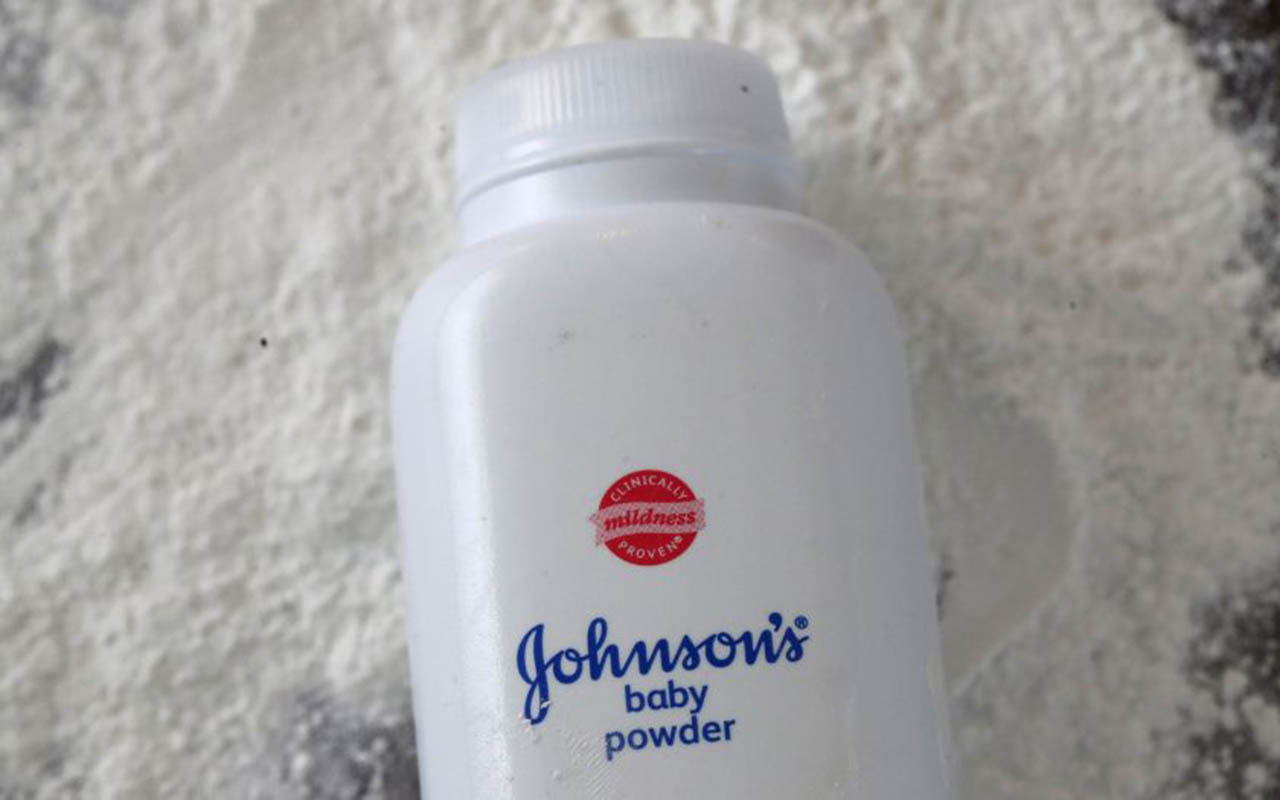
For generations, baby powder has been a staple in nurseries around the world, often used after diaper changes to keep skin dry, prevent rashes, and leave a fresh, comforting scent. But in recent years, concerns about certain ingredients in traditional baby powders have sparked debates among parents, paediatricians, and health experts alike.
So, the question stands: Are baby powders really good for your toddler? Let’s take a closer look at the facts, the risks, and the safer alternatives available today.
🌬️ What Baby Powder Does (and Why It’s Used)

Baby powder, typically made from talc or cornstarch, is designed to absorb moisture and reduce friction on the skin. It’s commonly applied to areas like the diaper zone, neck folds, or places where sweat and chafing can lead to irritation or diaper rash.
For many parents, using baby powder feels like a natural part of their routine, offering a quick and easy way to keep baby’s skin soft, dry, and smelling fresh. But just because it’s traditional doesn’t necessarily mean it’s the best option anymore.
⚠️ What Are the Concerns?
The biggest concern revolves around talc-based baby powders, which can contain trace amounts of asbestos, a known carcinogen, if not properly processed. While many manufacturers have since removed asbestos from their talc products, the controversy remains, especially with ongoing lawsuits and health investigations.
Inhaling fine powder particles, whether talc or cornstarch-based, can also irritate a toddler’s developing lungs, especially when applied in large amounts or in poorly ventilated spaces. Some paediatricians now advise against routine use of powders, particularly near the face or genital area.
🌿 Are There Safer Alternatives?
Yes! If you still like the idea of using a powder, there are safer, talc-free formulas on the market today, made with cornstarch, arrowroot powder, or kaolin clay. These natural alternatives are often fragrance-free, hypoallergenic, and formulated to be gentle on sensitive skin.
Some parents also opt for moisture-wicking diaper creams or barrier balms instead of powders. These can offer similar protection without the risk of airborne particles.
💡 So... Should You Use Baby Powder?

It depends. If you’re using a talc-free, paediatrician-approved powder in small amounts and applying it carefully (away from the face, with minimal dust), it can be a safe addition to your routine. But if you’re concerned about inhalation risks or simply want to avoid powders altogether, there are plenty of effective alternatives for keeping your toddler dry and comfortable.
As always, check the ingredient list, avoid anything with added fragrance or harsh chemicals, and speak to your paediatrician if your child has recurring skin irritation or rashes.
✅ Final Thoughts
Baby powder isn’t the villain, but it’s also not the essential that it once was. With today’s better understanding of health risks and a growing range of safer options, parents have more choices than ever. Whether you choose to keep it in your routine or not, the goal is the same: a happy, healthy, and rash-free toddler.